
What Are the Best Flap Turnstile Gates from China?

Choosing the best Flap Turnstile Gates from China requires more than comparing prices, finishes, and delivery promises. A reliable decision begins with the entrance itself. Is it a quiet office lobby, a crowded transport station, or a high-security research facility? Each location demands different lane widths, sensor layouts, access-control connections, and emergency settings.

Bruce Schneier, a respected security technologist, reminds buyers, “Security is a process, not a product.” That principle applies directly to Flap Turnstile Gates. A polished stainless-steel cabinet means little if the infrared sensors miss a child’s movement, the motor struggles during peak traffic, or the controller cannot integrate with existing cards and biometric readers. Practical testing matters. Ask for factory videos, sample documentation, endurance data, and clear after-sales procedures. Better still, inspect how the gate behaves during tailgating, power loss, fire alarms, and repeated daily use.

Chinese manufacturers offer broad customization, competitive production, and increasingly refined access-control solutions. However, not every attractive quotation represents equal engineering quality. Some specifications remain vague. That deserves attention. This guide compares leading options through construction, throughput, safety, software compatibility, maintenance, certification support, and supplier reliability. It also considers details buyers sometimes overlook, such as glass-panel stability, replacement-part availability, installation tolerances, and response time after delivery. No gate is perfect. The best choice is the one that performs consistently in its real environment, not merely the one that looks impressive in a catalog.
What Are the Best Flap Turnstile Gates from China?

What Is a Flap Turnstile Gate and How Does It Work?

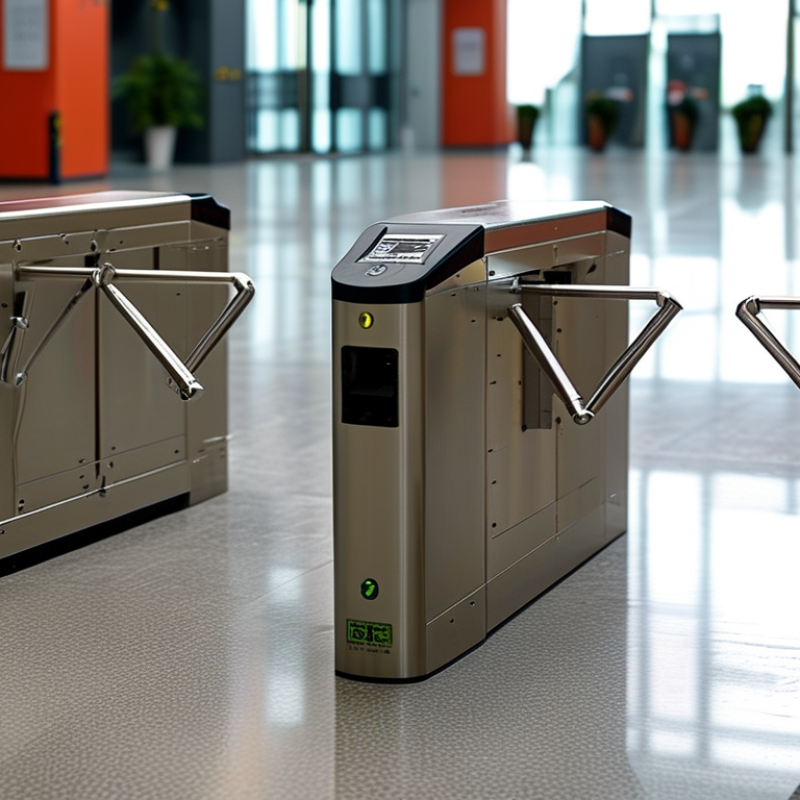
A flap turnstile gate is an automated pedestrian access barrier. It uses two retractable wings to control entry through a defined lane. The wings usually remain closed until an approved signal arrives. That signal may come from a card reader, QR scanner, fingerprint device, or ticketing system. A control board checks the signal, then activates a motor and gearbox. The flaps open smoothly and close after the person passes.

In practical installations, infrared sensors are essential. They detect direction, tailgating attempts, and objects left inside the lane. A reliable gate should stop closing when it senses a person or bag. During power loss, the wings should move into a safe position based on the site’s emergency plan. Stainless steel frames suit busy indoor areas, while clear acrylic flaps improve visual guidance. Chinese suppliers often offer different lane widths, cabinet finishes, and reader integrations for commercial projects.

Performance depends on more than opening speed. Technicians should inspect sensor alignment, motor noise, cable quality, and repeated-cycle stability. A quiet test unit may still perform poorly after months of heavy traffic. This is where many comparisons become too simple. Weather exposure, cleaning habits, and user behavior can change the result. I would also question impressive cycle figures without independent testing records. The best choice is usually the gate that fits the building, security process, and maintenance capability.

Which Features Define a High-Quality Chinese Flap Turnstile?

A high-quality Chinese flap turnstile begins with controlled movement, not a polished housing. The flaps should open smoothly, stop without sharp impact, and close only after the passage is clear. In a busy lobby, this means fewer collisions and less hesitation at the lane entrance. Watch the gap. Reliable sensors should detect luggage, children, and a person walking backward. Sensor placement matters because a small blind spot can create repeated alarms.

The frame should use corrosion-resistant metal, even in indoor sites with damp cleaning routines. Check hinge strength, motor temperature, and emergency release behavior during repeated cycles. A serious supplier should provide cycle-test records, wiring diagrams, installation tolerances, and spare-part guidance. These documents reveal more than attractive photographs. The access system should communicate clearly with card readers, QR scanners, biometric terminals, and fire alarm interfaces. It also needs privacy-conscious data handling and secure configuration controls.

Noise is another useful test. Stand beside the lane during opening and closing. Grinding sounds or uneven timing often indicate poor alignment, weak calibration, or rushed assembly. A six-month service plan may matter more than a lower purchase price. Still, specifications can look better than real performance. Request a live demonstration with luggage, repeated entries, and a disabled sensor. I would not approve a gate after one successful cycle. Maintenance access, software updates, weather limits, and technician response deserve equal attention.

What Are the Best Flap Turnstile Gates from China? - Which Features Define a High-Quality Chinese Flap Turnstile?

Evaluation Dimension High-Quality Benchmark Why It Matters What to Verify Before Purchase
Cabinet Material 304 stainless steel minimum
316 stainless steel for highly corrosive or coastal environments
Provides resistance to impact, rust, cleaning chemicals, and daily public use. Check the material grade, sheet thickness, weld quality, surface finish, and corrosion-resistance documentation.
Passage Width 550–900 mm typical range
Wider accessible lanes may be approximately 900–1,200 mm.
Determines user comfort, baggage clearance, wheelchair access, and site compatibility. Confirm the clear opening, not only the overall cabinet width, and match it with local accessibility requirements.
Throughput 25–35 persons per minute
Actual capacity depends on authentication time and user behavior.
Higher practical throughput reduces queues at offices, stations, campuses, and event venues. Request test results based on complete entry cycles rather than motor speed alone.
Flap Opening Speed Approximately 0.4–0.8 seconds
Adjustable speed is preferable.
Fast, controlled movement improves traffic flow while reducing the risk of collisions. Check opening and closing time, acceleration control, noise level, and anti-pinch performance.
Drive Mechanism Brushless motor or industrial-grade geared drive
Position feedback and soft start/stop are recommended.
Reliable drive systems provide smoother operation, lower maintenance, and better cycle consistency. Review rated duty cycles, replacement-part availability, overload protection, and motor warranty terms.
Service Life At least 5 million operating cycles
Higher-cycle designs are preferred for busy facilities.
Indicates mechanical durability under repeated daily operation. Ask whether the figure is laboratory-tested, field-tested, or only a design estimate.
Safety Protection Infrared sensors, anti-pinch detection, obstruction reversal, and alarm output Protects users from trapped objects, premature closing, and unauthorized passage attempts. Test detection zones, response time, emergency behavior, and safe operation for children and luggage.
Emergency Release Automatic arm opening during power failure or fire alarm
Manual release should also be available.
Supports evacuation and reduces the risk of blocking an emergency route. Verify fail-safe or fail-secure configuration, fire-alarm interface, battery backup, and reset procedure.
Ingress Protection IP54 for protected indoor areas
IP65 or higher is preferable for exposed outdoor installations.
Protects electronics and moving components from dust and water exposure. Confirm whether the rating applies to the complete installed product or only selected components.
Operating Environment Approximately −20°C to +60°C
Special versions may be required for harsher conditions.
Ensures stable performance in cold, hot, humid, or variable environments. Check temperature, humidity, altitude, condensation, and outdoor installation limits in the technical manual.
Access-Control Compatibility Dry contact, Wiegand, RS-485, TCP/IP, and relay interfaces Allows integration with cards, QR codes, biometrics, visitor systems, and building-management platforms. Confirm communication protocols, input voltage, wiring diagrams, API availability, and integration testing support.
Power Consumption Typically about 100–200 W during movement
Standby consumption should be clearly specified.
Helps estimate operating costs and select appropriate power supplies or backup systems. Request separate standby, operating, and peak-load figures rather than one nominal value.
Noise Level Smooth operation with approximately 50–60 dB at close range Lower noise improves comfort in offices, hotels, libraries, and residential buildings. Check the measurement distance, test environment, and whether the value includes alarms or only normal movement.
Control and Diagnostics LED status indicators, event logs, fault codes, and remote monitoring options Shortens troubleshooting time and helps maintenance teams identify failures quickly. Review diagnostic functions, log capacity, remote-access security, firmware-update method, and user permissions.
Compliance Documentation Applicable electrical, electromagnetic-compatibility, machinery-safety, and local access-control documentation Supports lawful installation, risk assessment, import clearance, and project acceptance. Verify certificates, test reports, declaration documents, model numbers, and whether documents cover the supplied configuration.
Quality-Control Process Incoming inspection, assembly testing, full-function testing, and burn-in testing A documented process reduces inconsistent performance between production batches. Request inspection records, sample test procedures, serial-number traceability, and pre-shipment acceptance criteria.
Maintenance and Spare Parts Modular components and commonly replaceable sensors, flaps, power supplies, and control boards Reduces downtime and total ownership cost over the equipment life cycle. Check spare-part lead times, repair instructions, local technical support, and component interchangeability.
Warranty and Support At least 12 months for the complete system
Longer coverage is preferable for motors and control electronics.
Provides protection against early component failures and installation-related issues. Review exclusions, response times, remote-support arrangements, training, and availability of replacement units.

The benchmarks above are typical selection guidelines for commercial flap turnstile systems. Actual specifications vary according to lane configuration, access-control equipment, installation environment, and applicable local regulations.

How Do Leading Chinese Flap Turnstile Models Compare?

The best flap turnstile gates from China are not identical, even when their cabinets look similar. Leading models usually differ in lane width, sensor layout, motor control, and software integration. Standard lanes often measure 550–600 millimeters, while accessibility lanes may exceed 900 millimeters. Many supplier datasheets claim 30–40 passages per minute, but real performance falls when users carry bags or pause at the barrier.

Independent market context matters. Grand View Research valued the global access control market at about USD 10.3 billion in 2022 and projects continued growth through 2030. This supports demand for connected gates, but it does not prove that every Chinese model is reliable. Buyers should compare tested cycle life, infrared sensor coverage, emergency opening time, and controller compatibility. A gate with 24 infrared sensors may detect tailgating better than a simpler unit, yet poor calibration can still create false alarms.

In practical inspections, brushless-drive models usually feel smoother and produce less mechanical noise. Stainless steel construction is useful in crowded entrances, although thin panels can still dent during heavy trolley traffic. Look for clear MTBF data, factory test records, IP ratings, and documented service response times. These details matter more than a polished display screen. Some comparisons remain imperfect because suppliers use different test conditions. A claimed one-million-cycle result needs independent verification before it guides a large purchase.

What Should Buyers Check Before Choosing a Supplier?

Choosing the best flap turnstile gate from China starts with checking the supplier, not the product photos. A polished catalog is not proof. Ask for factory registration, production capacity, quality procedures, and recent project references. A video call should show the assembly area, testing equipment, and finished units. If the supplier avoids specific questions, pause the purchase.

Examine the gate’s technical details carefully. Check cabinet material, flap strength, motor life, passage width, emergency release, sensor layout, and waterproof rating. Request drawings with measurements, wiring diagrams, and a sample test report. Ask how the gate performs after repeated opening cycles, not just during a short demonstration. Safety sensors should stop movement quickly when an object enters the passage. Small details matter here.

Confirm communication and after-sales support before paying. The quotation should list accessories, packaging, spare parts, warranty limits, inspection terms, and delivery responsibilities. Request a pre-shipment inspection with photos and recorded tests. A supplier may promise fast customization, but unclear drawings often create delays. I would also test one sample in the actual entrance environment, because polished floors, dust, and uneven traffic can expose weaknesses. A low price can become expensive.

What Are the Best Flap Turnstile Gates from China?

What should buyers check before choosing a supplier?

This procurement planning model highlights the factors buyers should compare when evaluating flap turnstile suppliers. Safety and compliance should receive the highest priority, followed by construction quality, system integration, traffic capacity, environmental protection, after-sales support, spare-parts availability, and total cost. Buyers should request test reports, installation references, warranty terms, maintenance procedures, and product specifications before making a final decision.

How Are Chinese Flap Turnstiles Installed and Maintained?

Installing Chinese flap turnstiles is usually straightforward, but accuracy matters more than speed. Begin with a level concrete surface and confirm the passage width against the approved site drawing. Mark each anchor point carefully. Uneven spacing can make the glass wings look aligned while causing friction during operation. Route power and data cables through protected conduits, keeping them separate where practical. A qualified electrician should connect the supply and verify grounding. The access controller, emergency release, and fire alarm interface also need testing before public use. Do not assume factory settings suit every entrance.

Maintenance should combine observation with simple records. Check the flap movement, indicator lights, sensors, and unusual noise each week. Dust around the sensor windows can cause false alarms, especially near busy roads or construction areas. Wipe surfaces with a soft, slightly damp cloth. Avoid abrasive cleaners and excessive water. Inspect anchor bolts, cable glands, and hinge areas monthly. If a panel moves slowly, stop forcing it. The cause may be misalignment, debris, or a worn drive component. Technicians should isolate power before opening the cabinet and should record every adjustment. Small omissions become expensive later.

Tips: Leave clearance around the cabinet for service access. Test emergency opening during scheduled drills. Keep spare fuses and approved parts on site. Review the maintenance plan after the first month; real traffic often exposes assumptions that installation checks miss.

Article Source:

Certified Quality System

© North Easton Machine Company, Inc. All rights reserved. • Site: Blog
NORTH EASTON MACHINE • 218 Elm Street • North Easton, MA 02356 • 508-238-6219