Top 10 Benefits of Using Coiling and Packing Machine?
In today's competitive market, the efficiency of production lines is critical. The Coiling and Packing Machine has emerged as a game-changer in the packaging industry. According to recent market research, the global packaging machinery market is projected to reach $50 billion by 2027. An efficient coiling machine can significantly reduce manual labor costs. This allows companies to reallocate resources to other essential tasks, thereby driving up productivity.
However, the transition to automated solutions, like the Coiling and Packing Machine, isn’t straightforward for every manufacturer. Some companies face challenges in integrating these machines into existing systems. This can lead to initial disruptions and a learning curve for staff. Nevertheless, the long-term benefits often outweigh these early hurdles. Enhanced precision and reduced packaging waste can lead to major cost savings and improved customer satisfaction.
Research shows that companies adopting coiling and packing technology see an average efficiency increase of 25%. Yet, it’s important to note that not all machines are created equal. Regular maintenance is required to ensure ongoing performance and reliability. Investing in quality equipment will always yield better outcomes compared to opting for less expensive, less effective options.
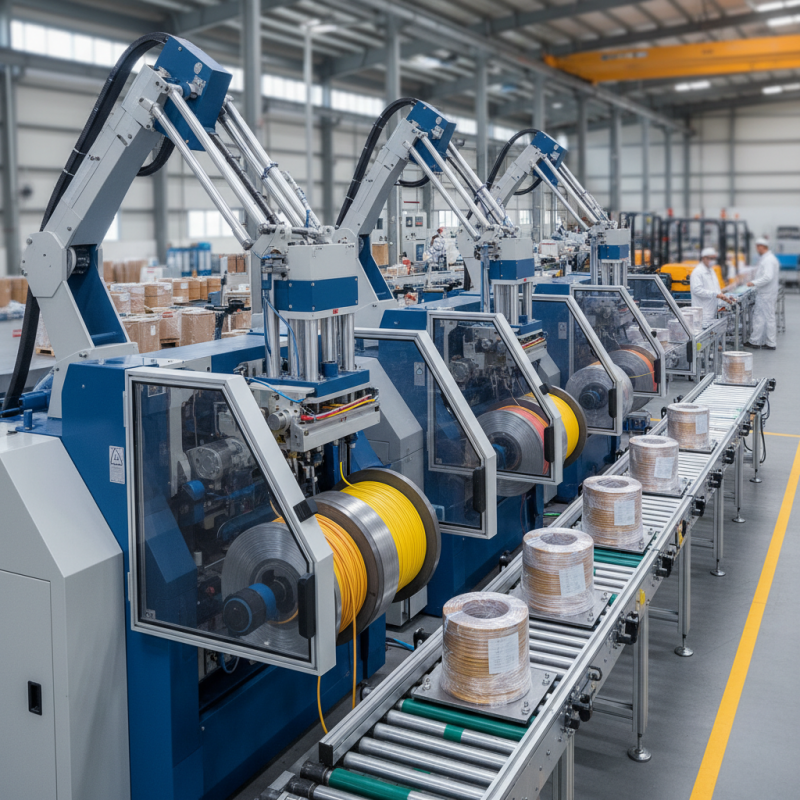
Advantages of Increased Efficiency with Coiling and Packing Machines
Coiling and packing machines are essential for modern manufacturing. They significantly improve efficiency in packaging processes. With these machines, tasks that took hours can now be completed in minutes. This speed helps meet high demand without sacrificing quality.
One notable advantage is reduced labor costs. Fewer workers are needed on the assembly line. This not only cuts expenses but also minimizes human error. However, over-reliance on machines can lead to skill gaps among employees. Regular training is crucial for maintaining workforce capabilities.
Tips: Regularly maintain your coiling and packing machines. This ensures they run smoothly and efficiently. Also, consider the layout of your workspace to optimize machine functionality. A well-organized area can boost productivity and reduce product damage.
Balancing machine use and human oversight remains a challenge worth reflecting on, as both have their unique advantages.
Enhancing Product Protection through Better Packaging Solutions
Effective packaging is crucial for product safety. Coiling and packing machines provide enhanced protection. They ensure minimal damage during transit. According to a 2022 report by Smithers Pira, inadequate packaging costs businesses over $50 billion annually. This is due to product losses and returns. Using advanced machines can significantly reduce these costs.
Coiling machines, for instance, offer superior retention of fragile items. This technology secures products tightly, reducing movement during shipping. Research shows that tightly packed products have a 30% lower damage rate. Enhanced packaging solutions can also increase shelf life. Many companies report a longer longevity in products due to better sealing and protection.
While the advantages are clear, not all companies adopt these technologies. Investment costs can be daunting for smaller businesses. Not every solution fits all products. Some still rely on outdated methods. This inconsistency in packaging standards raises concerns. It’s crucial for businesses to evaluate their packaging strategies regularly. Are they truly protecting their products?
Cost Savings from Reduced Labor and Material Waste
Coiling and packing machines bring significant cost savings by minimizing labor and reducing material waste. When companies automate their packaging processes, they often require fewer workers. This shift leads to lower payroll expenses. Additionally, machines can handle repetitive tasks more efficiently than humans. This efficiency translates to faster production times, resulting in increased output.
Material waste is another critical aspect. Traditional packing methods often involve excess materials. With coiling machines, precision is key. They ensure that materials are used only as needed, thus reducing waste. Imagine a factory where every inch of packing material is accounted for. This careful use not only saves resources but also cuts costs significantly.
However, it's essential to consider potential challenges. Initial investments in these machines might be high. Companies must weigh the upfront cost against long-term savings. Moreover, if staff are not adequately trained, operational issues may arise. Overall, while the benefits are clear, it requires careful planning and execution.
Improved Product Presentation and Branding Opportunities
Using coiling and packing machines can transform product presentation. A well-packaged product attracts more customers. A visually appealing wrap can highlight the quality and uniqueness. Bright colors and clean designs draw attention on crowded shelves. Effective packaging communicates the brand's message instantly. It speaks to consumers more than words can.
However, there is a challenge. While creating stunning designs, costs can increase. Care must be taken not to overcomplicate the packaging. Simple designs can sometimes resonate better. Additionally, eco-friendly materials may present obstacles. Balancing aesthetics with sustainability is important. Customers appreciate brands that care for the environment.
Refining your packing strategy can lead to better branding opportunities. Creative packaging builds customer loyalty. Yet, brands may overlook the importance of customer feedback. Listening to consumer preferences can lead to improvements. Each iteration of packaging should consider what resonates with the audience. This ongoing process helps brands adapt and grow.
Top 10 Benefits of Using Coiling and Packing Machine
| Benefit | Description | Impact on Business |
| Improved Product Presentation | Enhances visual appeal and attracts customers. | Increases sales potential. |
| Efficient Packaging | Reduces labor costs and time. | Speeds up production processes. |
| Consistent Quality | Minimizes defects in packaging. | Enhances customer satisfaction. |
| Space Saving | Optimizes storage and shelf space. | Improves inventory management. |
| Enhances Branding | Allows for unique and customized designs. | Strengthens brand identity. |
| Environmental Sustainability | Utilizes eco-friendly materials and processes. | Enhances company reputation. |
| Flexibility | Accommodates various product sizes and types. | Meets diverse market demands. |
| Cost Effectiveness | Reduces material waste and lowers costs. | Improves profit margins. |
| Enhanced Safety | Minimizes handling and risk of injury. | Creates a safer workplace. |
| Faster Turnaround Time | Accelerates the production and packing cycle. | Enhances customer service and satisfaction. |
Flexibility and Customization in Packaging Designs and Sizes
In the world of packaging, flexibility is key. Coiling and packing machines excel in providing customization options. They can easily adjust to different packaging designs and sizes. This adaptability helps businesses respond to market trends. Whether it's a seasonal product or a specific customer demand, these machines deliver.
Customization goes beyond simple adjustments. Designers can explore unique shapes and sizes that stand out on the shelf. This can enhance brand visibility. However, maintaining consistency in quality can be a challenge. Some machines struggle with complex designs. A balance between creativity and reliability is essential. It requires careful thought and testing.
Additionally, these machines can streamline production. They speed up the packing process, saving time and labor costs. Yet, improper use can lead to material wastage. Users must be well-trained to ensure efficiency. Understanding the machinery's limits is vital. Flexibility in packaging should not come at the expense of sustainability. Businesses should focus on eco-friendly materials and practices.



 Find Your Solutions ▶