
What is an Automatic Fire Shutter and How Does It Work?

An Automatic Fire Shutter is a crucial safety device in modern buildings. It acts as a barrier against flames and smoke. When a fire is detected, the shutter closes automatically to contain the blaze. This helps in preventing the spread of fire to other areas.

These shutters are typically made from robust materials to withstand high heat. They are essential in protecting escape routes, thus saving lives. Many buildings require these devices by law. However, not all installations function perfectly. Maintenance is often overlooked, leading to failures during emergencies.

Understanding how an Automatic Fire Shutter operates is important. It isn’t just a mechanical system; it’s a lifesaving tool that requires attention. Proper installation and regular checks enhance its reliability. Reflecting on the importance of these devices can help us value fire safety more. Lives can depend on it.
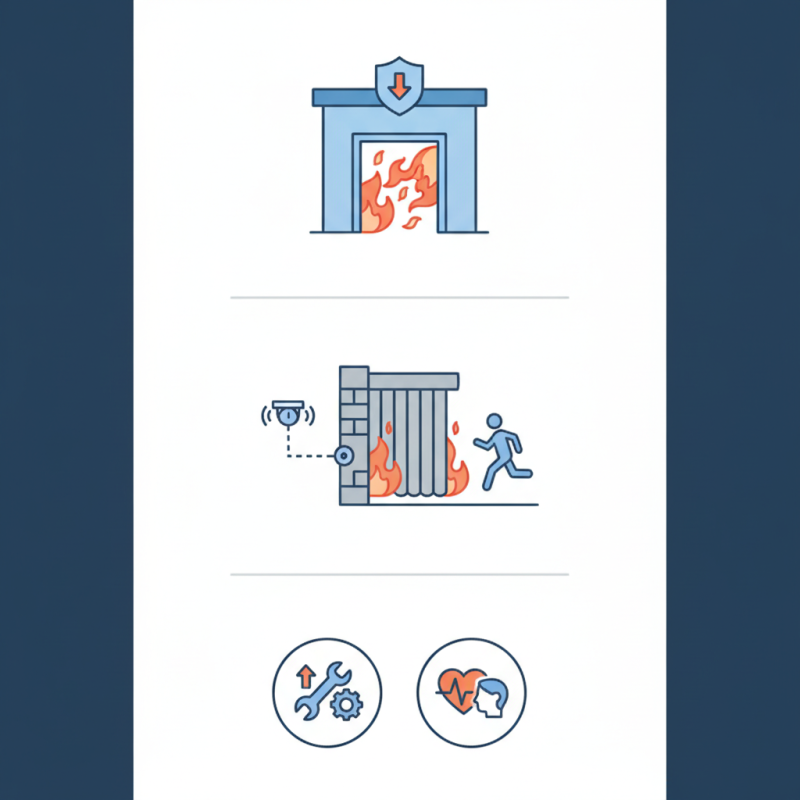
What is an Automatic Fire Shutter and How Does It Work?

Definition of an Automatic Fire Shutter and Its Purpose

An automatic fire shutter is a crucial safety device. It is designed to prevent the spread of fire and smoke. These shutters can close automatically when a fire is detected. They are often installed in buildings to protect escape routes and reduce damage.

The main purpose of an automatic fire shutter is to contain fires. This containment helps to limit injuries and property damage. The shutters are usually made of fire-resistant materials. They can withstand high temperatures for a certain period. This capability is especially important in areas where smoke can quickly spread.

Tips for installation: Ensure regular maintenance for effective operation. Test the sensors frequently to ensure they work correctly. Consider the placement of the shutters to maximize safety.

Another point to note: improper installation can compromise effectiveness. There are cases where fire shutters failed due to lack of maintenance. Regular check-ups and proper care are essential. An overlooked detail could lead to severe consequences. Always prioritize safety practices for better protection against fire hazards.

Components of an Automatic Fire Shutter System

An automatic fire shutter is crucial for safety in buildings. It prevents the spread of flames and smoke. This system includes several key components that work in harmony. Understanding these components can help ensure proper operation.

The primary component is the shutter itself. Made of robust materials, it rolls down during a fire. It acts as a barrier, protecting vital areas of a building. Another important element is the detection system. It uses smoke or heat sensors to activate the shutter automatically. Timely activation is essential for safety.

Regular maintenance is vital. Check sensors and mechanisms often. Dust can impede function. Also, ensure that the shutter is unobstructed. Any blockages can prevent it from closing completely.

Consider having clear signage. Clear paths to exits must remain visible. This can help in emergency situations. Training staff or residents on how these systems work is crucial. Awareness can save lives.

Mechanism of Operation: How Automatic Fire Shutters Activate

Automatic fire shutters play a crucial role in fire safety systems. They are designed to block smoke and flames from spreading through buildings. Understanding how these shutters operate helps in appreciating their importance.

The mechanism of automatic fire shutters is quite fascinating. When a fire is detected, the shutters activate in response. Sensors detect smoke or heat. This triggers the activation system, often linked to a fire alarm. The shutters descend rapidly, sealing off access points. They create a barrier between areas, limiting fire spread. These shutters can be powered by electric motors or springs.

However, the effectiveness of fire shutters relies on proper maintenance. Dust and debris can interfere with their operation. Regular checks are necessary to ensure they function correctly. If sensors fail, the entire system may not work as intended. These shortcomings highlight the need for routine assessments. Fire safety should be a continuous focus. Investing in quality equipment and ongoing training can improve safety measures.

Types of Automatic Fire Shutters and Their Applications

Automatic fire shutters are crucial for fire safety in various buildings. They act as barriers that close automatically during a fire, preventing flames and smoke from spreading. Different types of fire shutters are designed for specific applications, making them versatile tools in fire protection.

One common type is the manual-reset shutter. These shutters remain closed until a fire alarm is triggered. They work well in areas like shopping malls and warehouses, where large openings need to be protected. Another type is the self-closing fire shutter. It automatically drops when fire or smoke is detected. You can find it in office buildings and hospitals. These shutters are designed for quick response, but sometimes, they may not function as expected if maintenance is lacking.

Applications of these shutters vary widely. In industrial settings, fire shutters protect equipment and materials. In commercial spaces, they ensure safety for customers and employees. However, installation processes can be complex. Improper installation may lead to malfunction during emergencies. Regular inspections and maintenance are essential to ensure effectiveness. Learning from previous challenges can improve safety measures and enhance reliability.

Importance of Regular Maintenance and Inspection for Fire Shutters

Regular maintenance and inspection of fire shutters are crucial for safety. These devices act as barriers against smoke and flames. If they fail during an emergency, the consequences can be devastating. It's important to have a maintenance routine in place. Check the functionality of the shutter regularly. This helps catch any issues early.

Inspect the sensors and alarms connected to the shutters. Sometimes, simple problems can cause major failures. Looking for wear and tear is essential. Even small damage can compromise effectiveness. On the other hand, maintenance doesn't just focus on physical checks. It's about understanding how the system works.

Regular inspections can be a hassle, yet they are necessary. Documenting each inspection can help identify patterns over time. Sometimes, people might overlook minor issues. That can lead to bigger problems later. Just a few minutes spent on inspection can save lives. Ultimately, skipping regular checks isn't an option.

What is an Automatic Fire Shutter and How Does It Work? - Importance of Regular Maintenance and Inspection for Fire Shutters

Dimension Description Importance
Material Typically made from steel, aluminum, or other fire-resistant materials. Ensures durability and effectiveness in fire containment.
Operation Mechanism Uses electrical or mechanical systems to automatically close during a fire alarm. Critical for minimizing smoke and fire spread in buildings.
Testing Frequency Recommended inspection twice a year and testing at least once a year. Ensures operational reliability when needed most.
Common Issues Wear and tear, electrical malfunctions, and obstructions. Regular maintenance can prevent failures during emergencies.
Compliance Standards Must meet local fire safety regulations and codes. Ensures legal operation and safety for occupants.

Certified Quality System

© North Easton Machine Company, Inc. All rights reserved. • Site: Blog
NORTH EASTON MACHINE • 218 Elm Street • North Easton, MA 02356 • 508-238-6219