
7 Best PCR Cosmetic Tubes for Global Buyers
Choosing the right packaging can influence product safety, brand credibility, and customer trust. For global cosmetic buyers, a Pcr Cosmetic Tube must offer more than an attractive surface. It should protect creams, gels, and lotions during filling, shipping, storage, and daily use. Small details matter. A smooth shoulder, firm cap, and clean dispensing opening can prevent leaks in a crowded travel bag.
This guide reviews seven leading Pcr Cosmetic Tube options for international purchasing teams, private-label brands, and established manufacturers. The comparison considers recycled content, barrier performance, tube flexibility, decoration quality, closure design, minimum order quantities, and supplier communication. It also examines practical needs such as compatibility testing, color consistency, and packaging performance across different climates. A tube that works in a cool warehouse may behave differently under tropical heat.
There is no universal “best” tube. That claim would be too simple. Recycled resin can vary in color, odor, texture, and processing stability. Some buyers may prefer high PCR content, while others may need stronger barriers or precise visual matching. The most responsible choice depends on the formula, filling process, target market, and sustainability documentation. We have highlighted useful strengths and possible limitations rather than presenting perfect answers. Buyers should still request samples, review technical data, and conduct their own stability and leak tests before placing a large order. Performance comes first. Reliability must be verified.
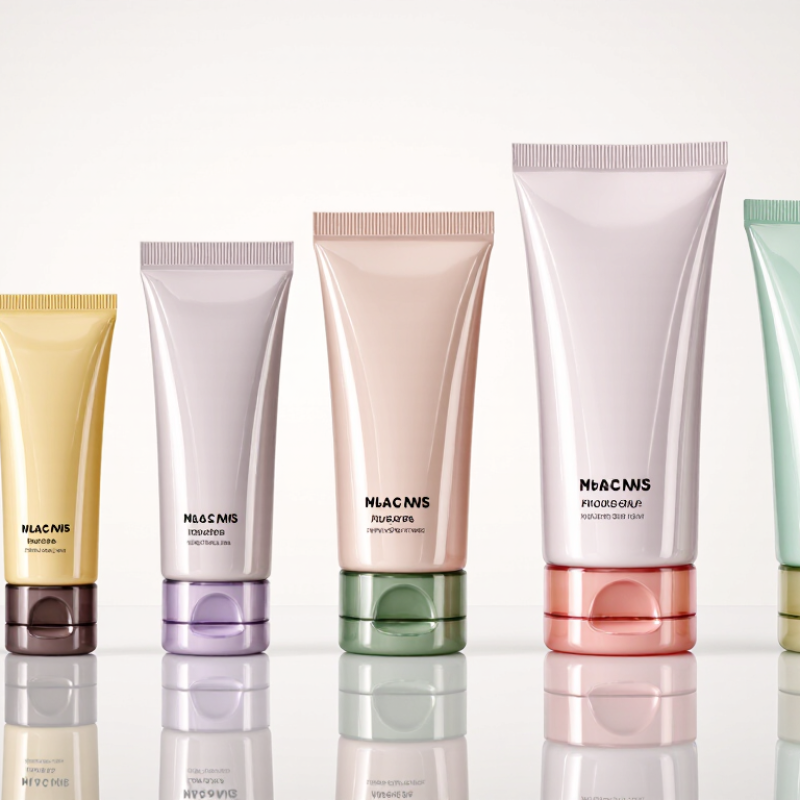
What PCR Cosmetic Tubes Are and Why Global Buyers Choose Them
PCR cosmetic tubes are packaging tubes made with post-consumer recycled plastic. The material comes from used packaging collected, sorted, cleaned, and reprocessed. It can appear in face creams, cleansers, masks, and personal care products. The tube may look familiar, but its material history is different.
Global buyers choose PCR tubes to reduce reliance on virgin plastic and support measurable packaging goals. In practical packaging evaluations, buyers inspect PCR content, resin traceability, wall strength, seal quality, and printing performance. A tube should withstand filling, transport, temperature changes, and repeated handling. Small details matter. A weak shoulder can crack during distribution.
PCR material is not automatically better in every application. Higher recycled content may affect color, odor, flexibility, or surface consistency. Clear tubes can become slightly hazy. That can challenge premium visual designs. Cosmetic formulas also need compatibility testing, especially when oils, acids, or active ingredients are involved. Buyers should request technical data, migration information, sample tubes, and batch documentation before approving production. Certifications can help, but they do not replace independent quality checks. This step is often underestimated. A reliable supplier should explain material percentages clearly and maintain consistent production records across shipments. Regional packaging requirements also vary, so importers need current advice from qualified compliance professionals.
Key Performance and Sustainability Criteria for Evaluating PCR Tubes
Choosing among the 7 Best PCR Cosmetic Tubes for Global Buyers requires more than checking recycled content. PCR resin can vary in color, odor, flow, and mechanical strength. A reliable tube should maintain wall thickness, cap alignment, and clean sealing during filling and transport.
Performance testing should include squeeze recovery, drop resistance, leakage, and torque checks. Observe the tube after repeated use. Does it spring back, or remain sharply creased? Product compatibility also matters, especially with oils, acids, fragrances, and alcohol-based formulas. Barrier performance can protect sensitive contents from oxygen and moisture. Small changes in resin composition may affect decoration adhesion, printing clarity, or surface feel. Production trials are essential; laboratory samples can look perfect and still fail on a high-speed filling line.
Sustainability claims need practical evidence. Buyers should request PCR percentage, material source, batch traceability, and third-party test records. A darker or slightly uneven appearance may indicate recycled content, but appearance alone proves nothing. Consider whether the tube, cap, shoulder, and decoration can be separated or recycled within the target market. Local collection systems differ widely. That detail is often overlooked. Lightweighting may reduce material use, yet an overly thin wall can increase rejects and waste. I would also question vague carbon claims. They may sound convincing, but the calculation boundary is rarely obvious. Clear documentation, repeat testing, and honest limitations make PCR packaging decisions more dependable.
Seven Leading PCR Cosmetic Tube Types by Product Application
For global buyers, PCR cosmetic tubes should be selected by product application, not appearance alone. Facial cleanser tubes need controlled squeeze force and reliable seals, especially with surfactant-rich formulas. Body lotion tubes usually require wider openings for faster dispensing and comfortable handling. Hand cream tubes benefit from compact shapes and strong shoulder areas, since they are frequently carried and squeezed. Sunscreen tubes demand careful barrier testing because heat, light, and active ingredients can affect stability.
Hair conditioner tubes need smooth internal flow, while thicker formulas may require larger orifices. Styling cream tubes should offer precise dosing and good recovery after repeated use. Travel-size amenity tubes prioritize low weight, leak resistance, and simple opening performance. PCR content can slightly change color, odor, stiffness, or surface consistency. That is normal, but it still deserves scrutiny. A tube that looks excellent in a sample may perform differently after filling and transport.
Experienced buyers should request PCR percentage data, resin traceability, wall-thickness specifications, and compatibility results with the final formula. Test squeeze force, cap torque, drop resistance, seal integrity, and storage under heat and cold. Decoration also needs checking, because recycled resin may create subtle shade variation. One detail is often overlooked: a softer tube is not always more user-friendly. It may collapse too easily or recover poorly. Application trials with real formulas reveal these weaknesses earlier than visual inspection.
| No. | PCR Cosmetic Tube Type | Primary Product Application | Typical Tube Material Structure | Common PCR Content Range | Typical Capacity | Key Functional Advantages | Important Buyer Considerations |
|---|---|---|---|---|---|---|---|
| 1 | PCR-PE Squeeze Tube | Facial cleansers, hand creams, body creams, and daily moisturizers | Mono-material polyethylene body, usually HDPE or a blend of HDPE and LDPE, with a PE shoulder and flip-top or screw cap | 30%–70% PCR PE | 30–250 ml | Good squeeze recovery, lightweight construction, broad compatibility with water-based cosmetic formulas, and straightforward decoration options | Confirm odor, color variation, stress-crack resistance, and compatibility between the PCR resin and the selected closure |
| 2 | PCR-PE Laminate Tube | Shampoos, conditioners, hair masks, body washes, and richer emulsion products | PE-based laminate with a PCR-containing outer or structural layer, commonly combined with a virgin inner seal layer | 20%–50% PCR PE | 50–300 ml | Improved graphics, controlled wall thickness, good product evacuation, and better mechanical strength than many thin mono-layer tubes | Check total PCR calculation method, layer composition, seal strength, and whether the local recycling system accepts laminated packaging |
| 3 | PCR Tube with EVOH Barrier Layer | Vitamin creams, active skincare, botanical formulas, and products sensitive to oxygen or fragrance loss | Multilayer PE structure incorporating an EVOH barrier layer; PCR is generally used in selected external or structural layers | 20%–40% PCR PE | 30–150 ml | Higher resistance to oxygen transmission and aroma loss than a standard PE tube, supporting more demanding formulas | Barrier performance depends on humidity, layer design, and wall thickness; recyclability claims should be verified for the target market |
| 4 | PCR Cosmetic Tube with Airless Dispensing | Premium facial serums, eye creams, anti-aging creams, and sensitive skincare products | PCR-containing PE outer components combined with an airless pump mechanism and a compatible inner product-contact component | 20%–50% PCR PE | 15–100 ml | Reduced product backflow, controlled dosing, limited air exposure, and good suitability for low- to medium-viscosity formulas | Evaluate dose accuracy, priming performance, residual product, component separation, and compatibility of the pump with the formula |
| 5 | PCR Mini Travel Tube | Travel-size sunscreen, facial wash, hand cream, lotion, and hotel or promotional cosmetic sets | Small-format LDPE or HDPE tube with PCR resin in the body and a PE or PP closure, depending on the design | 30%–70% PCR | 5–50 ml | Compact size, low material usage, convenient portability, and suitability for trial-size or gift-set programs | Small tubes require reliable shoulder welding, leak testing, accurate filling, and clear labeling of net contents and batch information |
| 6 | PCR Tube for High-Viscosity Formulas | Hair styling creams, cleansing balms, body butters, exfoliating scrubs, and thick masks | Thicker-wall PE tube, often using a flexible LDPE-rich body with a reinforced shoulder and wider dispensing orifice | 20%–50% PCR PE | 50–250 ml | Higher compression strength, wider product flow path, better handling of viscous contents, and reduced risk of tube collapse during dispensing | Test squeeze force, recovery, cap opening torque, dispensing speed, and formula separation under different storage temperatures |
| 7 | PCR Tube for Sun Care and Outdoor Products | Facial sunscreen, body sunscreen, after-sun lotion, and outdoor protective skincare | PCR-containing PE tube with a UV-resistant decoration system and a secure flip-top or screw closure | 30%–50% PCR PE | 30–200 ml | Portable format, convenient one-handed dispensing, good resistance to common emulsion formulas, and suitability for high-use seasonal products | Validate UV exposure resistance, pigment stability, closure leakage, sand and water exposure, and compatibility with high-oil or mineral-filter formulas |
Global Compliance, Decoration, and Compatibility Requirements
7 Best PCR Cosmetic Tubes for Global Buyers
Global buyers need more than attractive PCR cosmetic tubes. They need documented material content, consistent wall thickness, and reliable closure performance. The seven strongest options usually include PCR-PE squeeze tubes, PCR-PP tubes, laminated tubes, airless tubes, small sample tubes, high-barrier tubes, and recyclable mono-material designs. Each format serves different formulas and markets.
Compliance begins with traceable resin information. Ask for recycled-content evidence, batch records, safety data, and declarations suitable for the destination market. Requirements differ across regions, so one certificate rarely solves every import question. Check chemical restrictions, labeling rules, packaging taxes, and recycling claims before production. A clear document trail builds trust.
Decoration must survive real handling. Test offset printing, screen printing, digital labels, soft-touch coatings, and hot stamping against oils, alcohol, moisture, and rubbing. Some inks look excellent on day one but fade near a bathroom sink. Compatibility testing should include viscosity, pH, essential oils, preservatives, seal integrity, torque, odor transfer, and accelerated aging. PCR content can slightly change color or surface feel. That is easy to underestimate. A tube may pass visual approval and still crack under squeezing. I have found that simple drop tests often reveal more than polished samples. Not every premium finish is worth the recycling trade-off. Select the tube only after formulation, decoration, shipping, and regional documentation are reviewed together.
How to Compare Suppliers, Costs, and Minimum Order Quantities
7 Best PCR Cosmetic Tubes for Global Buyers
How to Compare Suppliers, Costs, and Minimum Order Quantities
Choosing PCR cosmetic tubes requires more than comparing the lowest unit price. I ask suppliers for the PCR percentage, resin origin, test reports, and production samples. A reliable supplier should explain whether the material is post-consumer recycled content or a blended alternative. The distinction affects claims, appearance, and documentation.
Inspect the tube closely. Check wall thickness, shoulder smoothness, cap fit, printing quality, and odor after filling. Test the tube with your actual cream, gel, or lotion for several weeks. I have seen attractive samples fail after repeated squeezing. It happens. Ask for compatibility data, migration testing, and batch-level quality records before approving production.
Cost comparisons should include tooling, decoration, shipping, inspection, and rejected units. A cheaper quote may hide expensive setup charges or weak packaging. Request pricing at several volumes, such as 5,000, 20,000, and 50,000 pieces. Then compare the delivered cost, not only the factory price. MOQ also needs careful review. Some suppliers accept a low MOQ but charge heavily for custom colors or printing. Others offer better pricing but require mixed cartons or long lead times. Confirm payment terms, sample charges, production capacity, and replacement procedures in writing. I still leave room for error because forecasts change, especially for new products. A flexible supplier can matter more than a small initial discount.
7 Best PCR Cosmetic Tubes for Global Buyers
Benchmark comparison of commonly sourced PCR cosmetic tube formats by indicative unit cost and minimum order quantity.
Indicative export-market ranges are shown for standard stock or semi-custom packaging. Actual pricing varies with PCR percentage, resin grade, decoration, cap selection, tooling, certification, freight terms, and destination. Buyers should request matched quotations using the same specifications and Incoterms.
Article Source:
NORTH EASTON MACHINE • 218 Elm Street • North Easton, MA 02356 • 508-238-6219