
What Are the 7 Best Grab Hook Buying Tips?
Choosing the right Grab Hook can affect lifting stability, chain performance, and workplace safety. A hook may look simple, yet small differences in throat opening, alloy quality, and latch design matter during daily use. This guide explores seven practical buying tips for selecting a Grab Hook with greater confidence.
The recommendations focus on measurable details rather than attractive packaging. Check the working load limit, chain compatibility, material grade, and manufacturer documentation before ordering. A hook should fit the intended chain size without forcing or excessive movement. Inspect the latch, welds, surface finish, and identification markings carefully. These details can reveal whether quality control was taken seriously.
Real-world use also deserves attention. A hook exposed to rain, mud, or repeated loading may need a suitable protective finish and regular inspection. Ask suppliers for test certificates, traceable specifications, and clear warnings about intended applications. Reliable sellers should explain limitations instead of promising that one hook fits every task.
Some buying decisions remain less obvious. The cheapest option may reduce initial costs, but replacement and downtime can become more expensive. A stronger-looking design is not automatically safer. That assumption needs challenging. Even experienced buyers can overlook chain wear or choose a hook based only on size. Careful comparison helps prevent those mistakes. These seven tips provide a practical framework for reviewing Grab Hook options with experience, technical judgment, and responsible purchasing habits. Safety still depends on correct selection, inspection, and use. Always verify the manufacturer’s instructions.
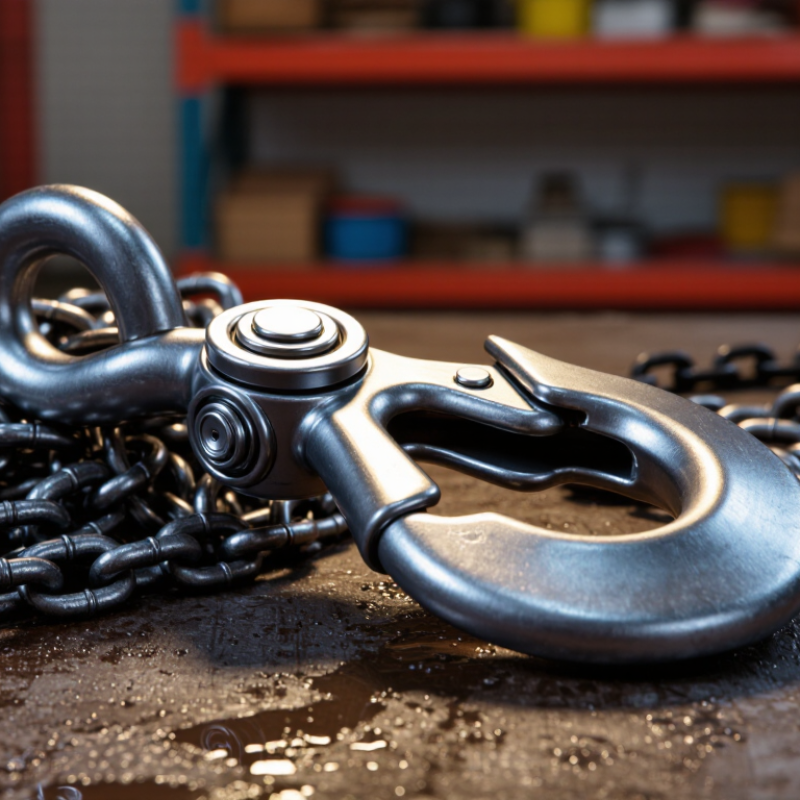
Define the Load and Working Conditions Before Choosing a Grab Hook
What Are the 7 Best Grab Hook Buying Tips?
Define the Load and Working Conditions Before Choosing a Grab Hook
Before choosing a grab hook, define the load and the conditions around it. A hook rated for a static load may not suit lifting with sudden starts, swinging, or impact. Record the load’s weight, shape, lifting points, and center of gravity. Then compare these details with the hook’s working load limit, chain grade, and compatible size. Never treat breaking strength as a safe working capacity. It is not.
Working conditions deserve equal attention. Outdoor lifting may expose steel to rain, salt, mud, or abrasive dust. Heat, chemicals, and repeated bending can reduce service life. Check the throat opening against the chain diameter and link shape. A narrow opening can sit badly and create side loading. The hook should pull along its intended axis, not twist against an edge. If the load angle changes, the force can rise quickly.
During inspections, look for cracks, spreading, deep gouges, distorted latches, and unusual wear. Remove damaged hardware from service. I have seen teams focus on capacity while ignoring cramped lifting points. That small oversight can make connection awkward and unstable. A rated latch helps retain the chain, but it does not correct poor rigging. Recheck the selection when the load, weather, or lifting method changes. The right choice can feel slower at the start. It is usually safer than guessing.
What Are the 7 Best Grab Hook Buying Tips?
Define the load and working conditions before choosing a grab hook.
The chart shows the ideal tension carried by each leg of a two-leg sling at different sling angles, expressed as a multiple of the total load. As the angle becomes flatter, the tension in each leg increases. Actual working load limits must be verified from the hook, sling, and lifting system manufacturer’s rated capacity and applicable regulations.
- Determine the total lifted load, including accessories and possible impact effects.
- Confirm the required working load limit and select a hook with adequate capacity.
- Check the sling angle, load distribution, and number of supporting legs.
- Match the hook type to the chain or sling size and connection method.
- Choose suitable material and finish for temperature, moisture, chemicals, and corrosion.
- Verify safety-latch requirements, throat opening, and secure load seating.
- Inspect markings, traceability, deformation, cracks, wear, and compliance documentation.
Check Hook Capacity, Size, and Compatibility With Your Equipment
What Are the 7 Best Grab Hook Buying Tips?
A grab hook must match the load, chain, and lifting equipment, not merely look heavy-duty. Check its working load limit (WLL), then compare it with the weakest component in the assembly. Never confuse WLL with breaking strength.
For two sling legs, angle changes tension sharply: at 30 degrees from horizontal, each leg carries the full load. Check the chain grade, link diameter, and hook throat opening. A narrow throat may damage links or prevent proper seating.
Measure the connecting pin, clevis width, and attachment geometry before ordering. Compatibility is physical and mechanical.
Inspect the latch, locking action, hook profile, and wear indicators. Choose suitable steel and corrosion protection for the working environment. Heat, chemicals, and repeated shock loading can reduce performance.
OSHA’s rigging guidance stresses inspection and removal of defective components, while ASME B30.10 addresses hook construction, marking, inspection, and use.
The International Labour Organization reported 2.93 million work-related deaths and 395 million nonfatal injuries worldwide in 2023. That broader figure is a serious reminder that small hardware decisions matter.
Request traceable markings, a test certificate, and clear inspection instructions. Verify the manufacturer’s dimensions against your chain and lifting point drawings.
A common field mistake is selecting capacity first and checking fit later. I have seen that shortcut create awkward loading and accelerated wear. It seems minor. It is not.
Leave room for angle error, dynamic loading, and uncertain load weight; a perfect calculation rarely survives a busy worksite.
Compare Materials, Coatings, and Build Quality for Long-Term Use
What Are the 7 Best Grab Hook Buying Tips?
Choosing a grab hook for long-term use requires more than checking its advertised load rating. In practical handling, forged alloy steel usually outlasts softer cast alternatives under repeated pulling. Look for clear steel specifications, heat-treatment details, and a traceable working load limit. If the seller only says “heavy duty,” keep searching. Inspect the hook’s throat, eye, and latch area. Smooth transitions reduce stress concentrations and visible cracking. A thick profile helps, but thickness alone proves little. Poor heat treatment can make a large hook brittle.
Coating matters where moisture, grit, and road salt are common. Zinc plating offers useful corrosion resistance, while powder coating adds a tough, visible barrier. Neither coating repairs weak steel or careless finishing. Check for thin spots, peeling, sharp edges, and rust around stamped markings. Choose a latch that closes firmly without sticking, even with gloves. Match the hook opening to the chain size and connection angle. A tight fit helps prevent sideways loading, which can deform the throat. Read independent test details when available, not only product photographs. I once chose a cheaper hook with impressive paint, then found its latch misaligned after limited use. That mistake changed my buying habit. Now I compare material evidence, coating quality, latch design, and overall build consistency. Small flaws matter.
What Are the 7 Best Grab Hook Buying Tips? - Compare Materials, Coatings, and Build Quality for Long-Term Use
| Buying Tip | What to Check | Preferred Choice | Why It Matters | Warning Signs |
|---|---|---|---|---|
| 1. Match the Hook to the Load | Confirm the working load limit (WLL), application, and lifting angle. Do not select a hook by size alone. | A clearly marked hook with a WLL suitable for the intended load and operating conditions. | A hook may be overloaded when the load is shock-loaded, angled, or applied outside its rated configuration. | Missing or unreadable WLL markings, vague capacity claims, or use for overhead lifting without appropriate approval. |
| 2. Choose a Suitable Steel Grade | Look for documented material information, heat treatment, and traceability rather than appearance alone. | Forged alloy steel is generally preferred for demanding lifting and recovery applications; stainless steel suits corrosion-sensitive, lower-load uses when properly rated. | Material strength, toughness, and heat treatment affect resistance to deformation, cracking, and fatigue. | Unspecified steel, cast construction for heavy dynamic loads, visible seams, or no supporting test documentation. |
| 3. Compare Protective Coatings | Evaluate the environment: fresh water, salt water, mud, chemicals, outdoor exposure, or indoor storage. | Zinc plating, hot-dip galvanizing, or a durable powder coating can help reduce corrosion; select the coating according to exposure and maintenance needs. | Corrosion reduces cross-sectional strength and can hide pitting, cracking, or other damage. | Blistering, flaking, deep rust, exposed bare steel, or a coating damaged around the hook throat and eye. |
| 4. Inspect the Hook Profile | Check the throat opening, bowl, shank, eye, and tip for smooth transitions and uniform geometry. | A smoothly forged profile with a full, even bowl and no sharp edges that could damage chain, rope, or webbing. | Proper geometry distributes force more effectively and helps prevent point loading or accidental disengagement. | Bent shank, widened throat, twisted eye, sharp burrs, thin sections, or a hook tip that does not align correctly. |
| 5. Select the Right Safety Feature | Determine whether a latch, self-locking mechanism, or open grab design is appropriate for the connection and load movement. | A safety latch that closes fully and is protected from accidental release when the application requires positive retention. | A latch can help keep an unloaded hook from separating, but it does not increase the hook’s rated capacity. | Sticking or bent latch, weak spring, incomplete closure, missing retaining pin, or a latch used as a substitute for correct loading. |
| 6. Verify Build Quality and Markings | Look for permanent markings such as WLL, size, material or grade, manufacturer traceability, and applicable compliance information. | Consistent forging, clean machining, secure hardware, and legible permanent identification supported by inspection or test records. | Traceability supports correct selection, inspection, replacement, and safe use over the product’s service life. | Only a temporary sticker, rough welds, uneven machining, loose components, or conflicting capacity information. |
| 7. Consider Maintenance and Service Life | Check whether the hook can be cleaned, inspected, lubricated where appropriate, and replaced when wear or deformation reaches the applicable limit. | A design with accessible inspection areas, replaceable hardware when specified, corrosion protection, and clear care instructions. | Regular inspection can identify wear, cracks, corrosion, and deformation before they become critical. | No inspection guidance, inaccessible moving parts, excessive throat opening, gouges, cracks, or permanent deformation. |
Safety note: Always follow the applicable lifting, rigging, and workplace-safety requirements. Never exceed the marked working load limit, side-load a hook unless it is specifically rated for that use, or continue using a hook that is cracked, bent, excessively worn, or corroded.
Examine Safety Features, Certification, and Load-Control Design
What Are the 7 Best Grab Hook Buying Tips?
Examine Safety Features, Certification, and Load-Control Design
A grab hook should match the chain grade, working load limit, and lifting angle. Check the working load limit stamped on the hook, not only the sales description. Inspect the throat, latch, welds, and seating surface. Seven useful checks include load rating, chain compatibility, safety latch, proof-test records, traceable markings, anti-slip geometry, and resistance to side loading. The U.S. Bureau of Labor Statistics reported 885 fatal workplace injuries involving falls, slips, and trips in 2023. A hook cannot prevent every incident, but poor load control can increase exposure.
Choose a hook with a positive latch and a deep, clearly defined chain seat. The chain should remain captured during movement, without binding at the throat. Shortening hooks need secure engagement, because a loose chain can shift suddenly. Avoid designs that depend on friction alone. Never assume a higher capacity solves a poor angle. Side loading and shock loading can reduce real capacity sharply. ASME B30.26 emphasizes identification, inspection, and proper use of below-the-hook components. Read the standard and the supplier’s technical documents together.
Certification deserves careful attention. Look for permanent markings, batch traceability, material grade, and documented proof testing. EN 1677 guidance can help when evaluating forged lifting components, but certificates must match the exact hook. A certificate alone is not magic. I have seen paperwork look convincing while the stamped rating was unreadable. That detail deserves a second look. Ask for inspection intervals, rejection limits, and loading diagrams before purchasing. Loose documentation is a warning sign.
Evaluate Supplier Reliability, Warranty, and Total Purchase Cost
What Are the 7 Best Grab Hook Buying Tips?
A dependable grab hook starts with the supplier, not the catalogue photo. Check operating history, factory address, production capacity, batch traceability, and recent inspection records. Request load-test reports for the exact hook size and grade. The ISO Survey 2022 recorded 1,265,216 ISO 9001 certificates worldwide, but certification alone does not prove lifting performance. Ask how often inspections occur. Ask for failed-test examples, too. That answer can be revealing.
Warranty terms deserve equal attention. Confirm the coverage period, rated-load exclusions, corrosion limits, and claim response time. Clarify who pays replacement freight and inspection costs. A practical warranty should explain whether one damaged hook receives replacement or an entire batch is reviewed. The World Bank’s 2023 Logistics Performance Index assessed 139 economies across six logistics dimensions, including tracking and timeliness. Use similar evidence when judging delivery reliability. Review three recent delivery records, not just a promise. My own mistake was trusting a perfect sample shipment.
Calculate total purchase cost before approving the order. Include unit price, tooling, testing, packaging, freight, import charges, storage, inspection labor, and possible downtime. A cheaper hook may require more frequent checks or faster replacement. Compare suppliers using the same load rating and service conditions. Keep a written scorecard for quality, lead time, warranty strength, documentation, and landed cost. Leave room for doubt. Supplier data can be incomplete, and a spreadsheet can still hide operational risk.
Article Source:
NORTH EASTON MACHINE • 218 Elm Street • North Easton, MA 02356 • 508-238-6219