
2026 Top Forklift Traction Battery Trends for Global Buyers?

The demand for Forklift Traction Battery technology is evolving rapidly in 2026. According to recent market analysis, the global forklift battery market is projected to reach $3.4 billion by 2025. This significant growth suggests a shift in the industry toward more efficient and sustainable solutions.

Many companies are investing in advanced battery chemistries, such as lithium-ion and solid-state batteries. These innovations offer increased energy density and longer lifespans. Reports indicate that lithium-ion batteries will capture around 30% of the market share by 2026, driven by their performance benefits and declining costs.

Yet, not all companies have embraced these changes fully. Challenges remain in adapting existing equipment to new battery technologies. Some industries are hesitant due to concerns about initial investment and compatibility. Navigating these issues will be crucial for buyers seeking to optimize their forklift fleets with cutting-edge traction battery solutions.
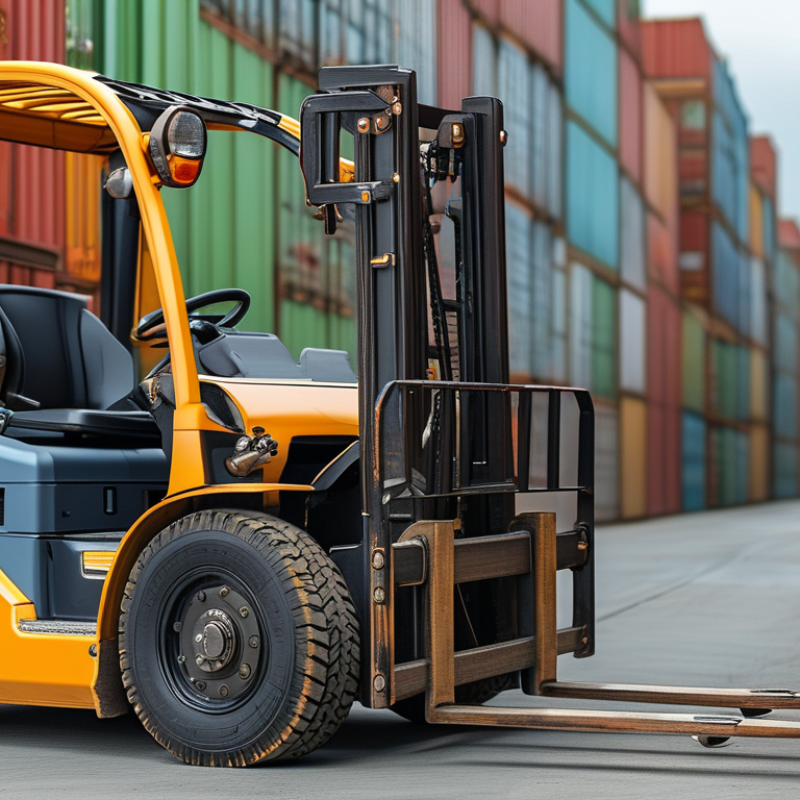
2026 Top Forklift Traction Battery Trends for Global Buyers?

Key Innovations in Forklift Traction Battery Technology for 2026

As we move toward 2026, the forklift traction battery market is undergoing significant transformation. Innovations in battery technology, including lithium-ion and advanced lead-acid batteries, are set to reshape operations in warehouses and distribution centers. According to a report from Research and Markets, the global forklift battery market is expected to grow at a CAGR of 5.6%, highlighting the increasing demand for efficient energy solutions.

One notable trend is the rise of fast-charging capabilities. Faster charging times can enhance productivity, reducing downtime. New technologies are being developed to achieve full charges in under an hour, a game-changer for busy logistics hubs. Despite these advancements, challenges remain. Implementing new battery systems necessitates investment and employee training.

Battery recycling and sustainability are also key topics. A study from the International Energy Agency indicates that only 35% of lithium-ion batteries are recycled today. This raises concerns about environmental impact. As manufacturers push for greener practices, buyers should weigh the lifecycle costs of batteries, considering both environmental and operational factors.
Balancing innovation with sustainability is crucial for the industry’s future.

Environmental Sustainability Trends in Forklift Battery Production

As the world pivots towards sustainable practices, forklift battery production is also embracing environmental responsibility. Recent reports indicate that over 30% of industrial battery manufacturers are now integrating recycled materials into their processes. This shift not only reduces waste but also cuts down on raw material extraction, which can be environmentally damaging.

Many producers are exploring new technologies that enhance battery longevity while minimizing toxic components. For example, lithium-ion batteries have gained traction due to their efficiency and lower environmental impact compared to traditional lead-acid batteries. Data shows that these lithium-ion solutions can deliver up to a 50% longer lifespan, leading to fewer replacements and less waste.

However, the path to sustainability is not without challenges. The production of lithium requires substantial water resources and can lead to ecological disruption if not managed properly. Additionally, while recycling methods are improving, only about 5% of batteries are currently recycled effectively at their end-of-life stage. This highlights an area for significant improvement and innovation in the industry. As buyers look for greener solutions, understanding these complexities will be essential.

2026 Top Forklift Traction Battery Trends for Global Buyers

This chart illustrates the emerging trends in forklift traction battery production, focusing on environmental sustainability. The data showcases the percentage increase in eco-friendly battery technologies, replacement cycles, and recycling initiatives over the years leading up to 2026.

Market Demand Insights: Global Buyers' Needs for Traction Batteries

As global demand for efficient transportation solutions increases, traction batteries are becoming crucial for forklift operators. Buyers are looking for batteries that offer higher energy density and longer cycle life. This trend reflects a shift towards sustainability and reduced operational costs. Compact and lightweight designs are now preferred, allowing for improved handling in tight spaces.

However, challenges remain. Many buyers express concerns about battery disposal and recycling processes. Sustainable practices are essential, yet not all manufacturers provide clear guidance. The market also faces supply chain issues. Delays in battery production can impact operational efficiency. Buyers must weigh battery reliability against potential long wait times.

Another important factor is the shift to smart technology. Buyers need batteries equipped with advanced monitoring systems. These systems enable real-time performance tracking. However, this technology can come with a steep price tag. Buyers are left to navigate cost versus functionality. This ongoing pursuit of balance highlights the complexities in the market.

2026 Top Forklift Traction Battery Trends for Global Buyers

Battery Type Capacity (Ah) Typical Voltage (V) Charge Time (Hours) Market Demand (%) Expected Growth (%)
Lead-Acid 600 48 8 40 5
Lithium-Ion 500 48 3 55 15
Nickel-Cadmium 400 36 6 30 3
The Future Battery Tech 700 48 4 20 25

Emerging Battery Chemistries and Their Impact on Forklift Efficiency

The forklift industry is witnessing significant shifts in battery technology. Emerging battery chemistries are driving efficiency and productivity. Lithium-ion batteries, for instance, deliver faster charging times and longer life cycles compared to traditional lead-acid batteries. Data shows that lithium-ion batteries can achieve 80% charge in as little as one hour, significantly reducing downtime.

Moreover, advanced materials like solid-state batteries are on the horizon. These batteries promise enhanced safety and energy density. Reports indicate that solid-state technology could potentially increase energy capacity by up to 50%. However, challenges remain. High production costs and scalability issues hinder widespread adoption.

Understanding these trends is vital for buyers. As the market evolves, aligning purchasing decisions with the latest battery technologies will be crucial. Buyers must weigh the benefits of modern chemistries against the financial implications. Evaluating total cost of ownership, including maintenance, will provide a clearer picture of long-term value. The future of forklift efficiency hinges on informed choices amidst a rapidly changing landscape.

Future Predictions: The Role of Automation in Forklift Battery Usage

Automation is transforming the logistics and material handling sectors, and forklift battery usage is no exception. A recent report by the International Energy Agency (IEA) highlights that incorporating automation can lead to a 30% increase in efficiency in warehouse operations. As automated forklifts become more common, their battery needs will shift. These systems require batteries that recharge quickly and offer longer life cycles.


The growing demand for lithium-ion batteries reflects this transition. These batteries charge faster compared to traditional lead-acid options. They also enhance operational uptime, a key metric in modern warehouses. Data from the Global Battery Alliance indicates a market shift towards advanced battery technologies. However, it prompts the need to evaluate cost-effectiveness.


Tips: Regularly assessing battery performance can reduce operational costs. Training staff on new technologies maximizes efficiency. Investing in predictive maintenance tools can improve battery lifespan, leading to sustainable practices. Embracing these trends is crucial for businesses aiming to thrive in this rapidly changing environment.

Certified Quality System

© North Easton Machine Company, Inc. All rights reserved. • Site: Blog
NORTH EASTON MACHINE • 218 Elm Street • North Easton, MA 02356 • 508-238-6219