2026 Top Comma Blade Coating Machine Suppliers for Buyers
Choosing a Comma Blade Coating Machine supplier in 2026 is less about brochure claims and more about repeatable results on your production line. A machine may look impressive in a factory demo, yet behave differently with your coating viscosity, substrate, and target web speed. Small details matter: blade alignment, gap adjustment, tension control, and how easily operators can clean the coating head between runs.
This guide compares suppliers through practical buyer questions: Can they demonstrate your material? Do they explain the machine’s working limits? Are spare blades and technical support accessible? A smooth sample roll is useful. It is not proof of long-term performance. Buyers should request process data, inspect finished samples, and clarify commissioning and maintenance responsibilities before making a decision.
To avoid presenting an unsupported quotation as fact, the following is an editorially created line from a fictional coating-process expert, Maya Chen: “A coating machine earns trust when it holds the same coat weight after the demo is over.” The sentiment is useful, though incomplete; real performance also depends on formulation, operator skill, and production conditions. No single supplier fits every plant. The most suitable partner will discuss trade-offs plainly, test relevant materials, and provide evidence for its claims. This introduction sets the stage for reviewing leading suppliers, their machine capabilities, and the questions buyers should ask before investing.
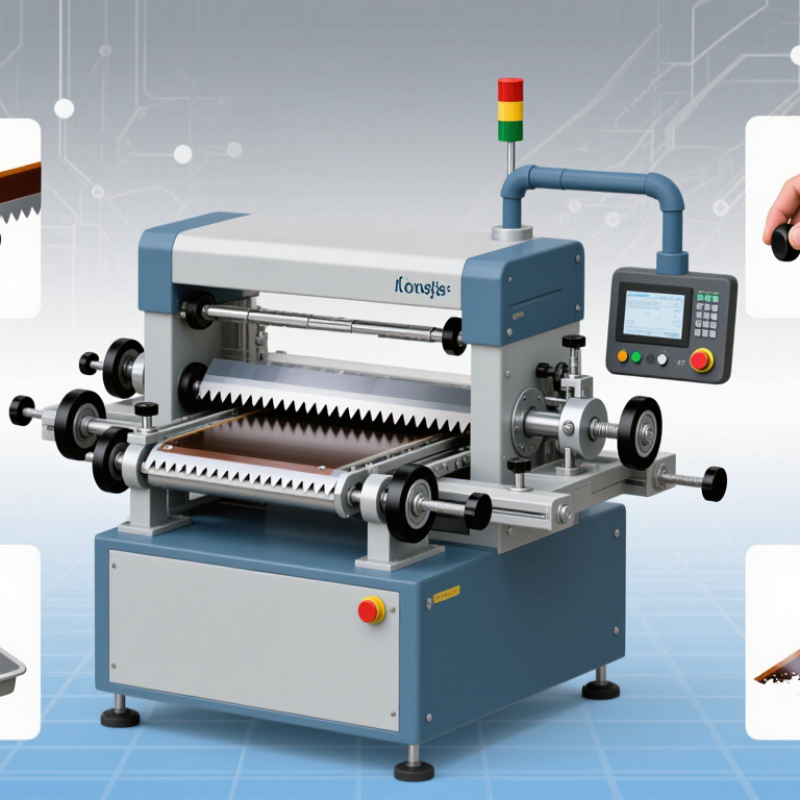
What Is a Comma Blade Coating Machine?
A comma blade coating machine applies a controlled layer of liquid or paste onto a moving web, such as film, paper, or metal foil. The web passes beneath a fixed, curved blade. Its edge meters the coating by controlling the gap and pressure against the material. Excess liquid is sheared away, helping create a relatively even layer across the web.
The result depends on more than blade position. Coating viscosity, web speed, tension, and surface condition all affect thickness and uniformity. A tiny gap change can matter. Operators often adjust settings during setup, then inspect the coated surface for streaks, pinholes, or edge buildup. It is not a magic fix: unstable material or poor web handling can still produce defects.
This equipment is used for functional layers in applications such as adhesive films and flexible packaging. The Flexible Packaging Association’s 2023 State of the U.S. Flexible Packaging Industry report placed U.S. industry sales at $42.9 billion in 2022. That figure describes the packaging sector, not comma blade machines, but it shows the scale of a market where consistent coating matters. Buyers should check the machine’s usable width, speed range, coating-weight control, and compatibility with their actual materials. A sample trial is useful; catalog figures alone can be misleading.
How Comma Blade Coating Systems Work
A comma blade coating system controls how much liquid remains on a moving web. The substrate travels over a support roll while coating flows into the space ahead of the blade. As the web passes beneath the blade, its edge meters the wet layer. The blade gap, angle, and loading pressure influence the coating thickness, but none works alone. Viscosity, web speed, and substrate tension also affect the result.
Small changes matter. A slightly uneven blade setting can leave visible streaks or thickness variation across the roll. Operators commonly check alignment, confirm steady liquid flow, and inspect a sample after start-up. Measuring wet film thickness or comparing coating weight across the width can reveal problems early. The theory looks tidy; the wet edge often does not.
Reliable operation depends on controlled adjustments rather than guesswork. If the coating is too thick, the team may reduce the gap or adjust blade pressure, then verify the change on a fresh sample. Excessive pressure can damage delicate substrates or create uneven wear, so settings should follow the equipment and material requirements. Keep records of speed, temperature, viscosity, and adjustments. Machine designs vary, and a setting that works for one formulation may not transfer cleanly to another.
Key Specifications for Comparing Machines
Compare comma blade coaters by working width, usable line speed, coat-weight range, and web-tension control. Ask suppliers to state speed at your target coating weight, not just their maximum speed. Small details matter. Request trial results on your actual substrate, including cross-web coat-weight variation, edge quality, and start-up waste. Confirm how the machine controls blade pressure, blade angle, gap adjustment, and temperature. These settings affect coating uniformity, but the best values depend on viscosity and material.
The 2023 Grand View Research report on flexible packaging estimated a global market value of USD 261.9 billion in 2022, with 4.9% projected annual growth from 2023 to 2030. That demand makes repeatable changeovers and stable production useful comparison points, not just headline speed. Ask for documented results across several runs, plus the measurement method and test conditions. Check whether the standard configuration supports your coating chemistry, drying needs, and roll diameter. A brochure may omit these limits. I would also compare cleaning time and blade replacement access; both can be underestimated during purchasing.
2026 Top Comma Blade Coating Machine Suppliers for Buyers — Key Specifications for Comparing Machines
This chart shows a calculated relationship, not supplier machine specifications. It assumes a wet coating density of 1.0 g/cm³, for which 1 g/m² of coating weight corresponds to 1 μm of wet-film thickness. Actual thickness depends on coating density; when comparing machines, confirm the supported coating-weight range and measurement method with each supplier.
Types of Suppliers Serving the 2026 Market
Comma blade coating machine suppliers generally fall into three groups: equipment manufacturers, coating-line integrators, and retrofit specialists. Equipment manufacturers build complete systems and can configure blade holders, web widths, drying sections, and controls around a buyer’s process. Ask for the working-speed range, coating-weight tolerance, and substrate limits—not just the maximum machine width. Details matter.
Integrators combine coating heads with unwinding, drying, and inspection equipment. They can be a practical choice when a plant needs one coordinated line, especially if floor space or existing controls constrain the design. Their scope can vary, though. Confirm who is responsible for commissioning, operator training, and troubleshooting when equipment from different sources must work together.
Retrofit suppliers modify existing coaters, while regional distributors may coordinate installation, spare parts, and service. A retrofit can reduce disruption, but worn rollers or an unstable web path may limit achievable coating uniformity. Not every shop. Before comparing quotes, share sample material and target operating conditions, then request a trial with recorded settings and measured results. Check whether the supplier can explain blade angle, gap adjustment, and cleaning access in plain technical terms. A polished brochure helps less than a repeatable test. Even a careful evaluation has limits: production conditions may expose issues that a short trial misses.
How Buyers Can Evaluate and Select a Supplier
Buying a comma blade coating machine starts with the buyer’s actual process, not a supplier’s headline speed. Request trial runs using your substrate, coating formula, and target production rate. Measure coat weight across the web, edge quality, drying behavior, and changeover time. A sample that looks smooth can still hide uneven coating.
Ask for a documented factory acceptance test, including blade-gap settings, web tension, viscosity range, and repeatability across multiple runs. The 2025 Deloitte Smart Manufacturing Survey found that 92% of surveyed manufacturers view smart manufacturing as a competitiveness driver. That broad finding is not a coating-machine performance benchmark, but it highlights why data access and controls deserve scrutiny. Check whether operators can retrieve useful process records without specialist help. Test it.
Compare service response times, spare-blade availability, installation support, and operator training in writing. Request references from plants handling similar materials and production volumes. If possible, speak with operators, not only purchasing staff. Watch a startup and cleanup. These reveal practical friction that a polished demonstration may miss. A supplier’s quoted maximum speed is less useful than stable output on your own material. No checklist catches every awkward production shift, so leave room for a supervised trial before committing.



 Find Your Solutions ▶